
Repair an existing metal roof
Identify the system first. Loose fasteners, degraded washers, seam issues, and failed penetration details need compatible repair methods. A sealant that sticks today is not proof of a suitable long-term connection.
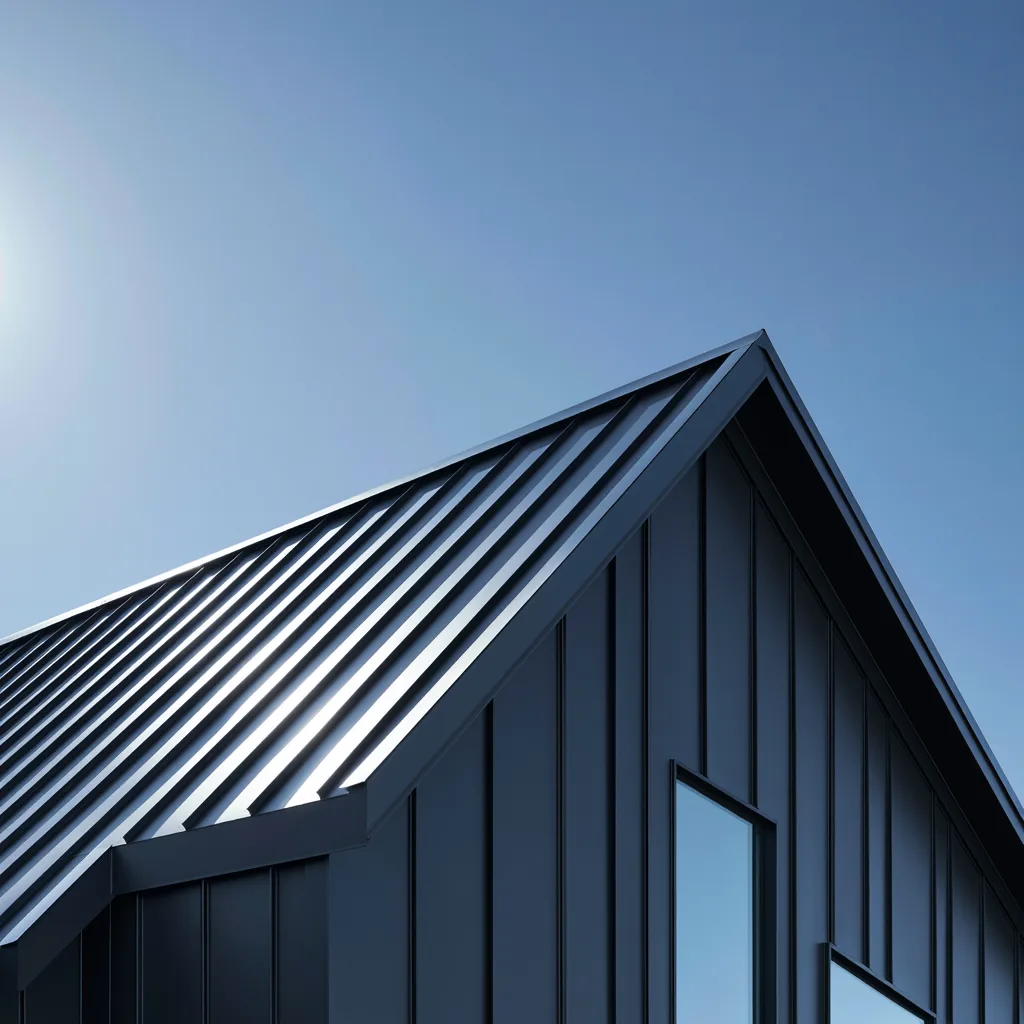
Standing-seam systems use raised seams and attachment details that account for movement. Exposed-fastener systems rely on correctly placed fasteners and sealing washers. Formed metal shingles are another construction again. Product names alone do not describe the roof assembly.
Temperature changes move long metal panels. Clips, seams, penetrations, and trim need details suited to that movement. The roof slope, substrate, underlayment, corrosion compatibility, and surrounding transitions all affect a workable specification.
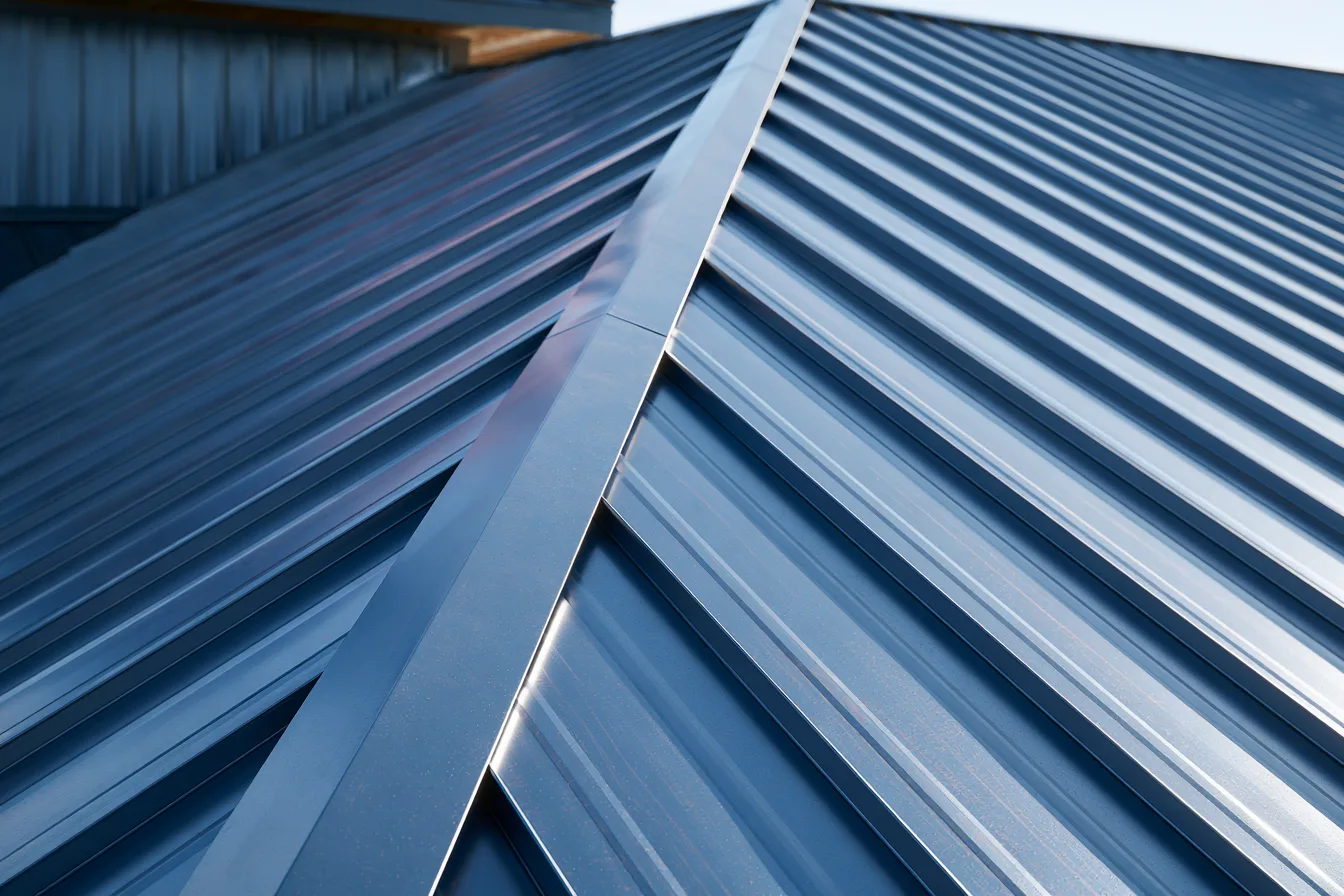
Identify the system first. Loose fasteners, degraded washers, seam issues, and failed penetration details need compatible repair methods. A sealant that sticks today is not proof of a suitable long-term connection.
Deck condition, panel layout, attachment, eaves, valleys, ridges, and ventilation must be coordinated. Existing layers and the condition underneath affect whether any recover is suitable.
Coating and finish terms are product-specific. A cosmetic dent, a watertightness problem, and coating deterioration are separate findings with different implications.
Tell us whether this is an existing metal roof or a replacement choice. Start with a free inspection.
Call (816) 521-6944