
Roofing connection
The flashing base, step pieces, counterflashing, and shingle tie-ins are checked as a water-shedding assembly. Surrounding brittle shingles can expand the work boundary.
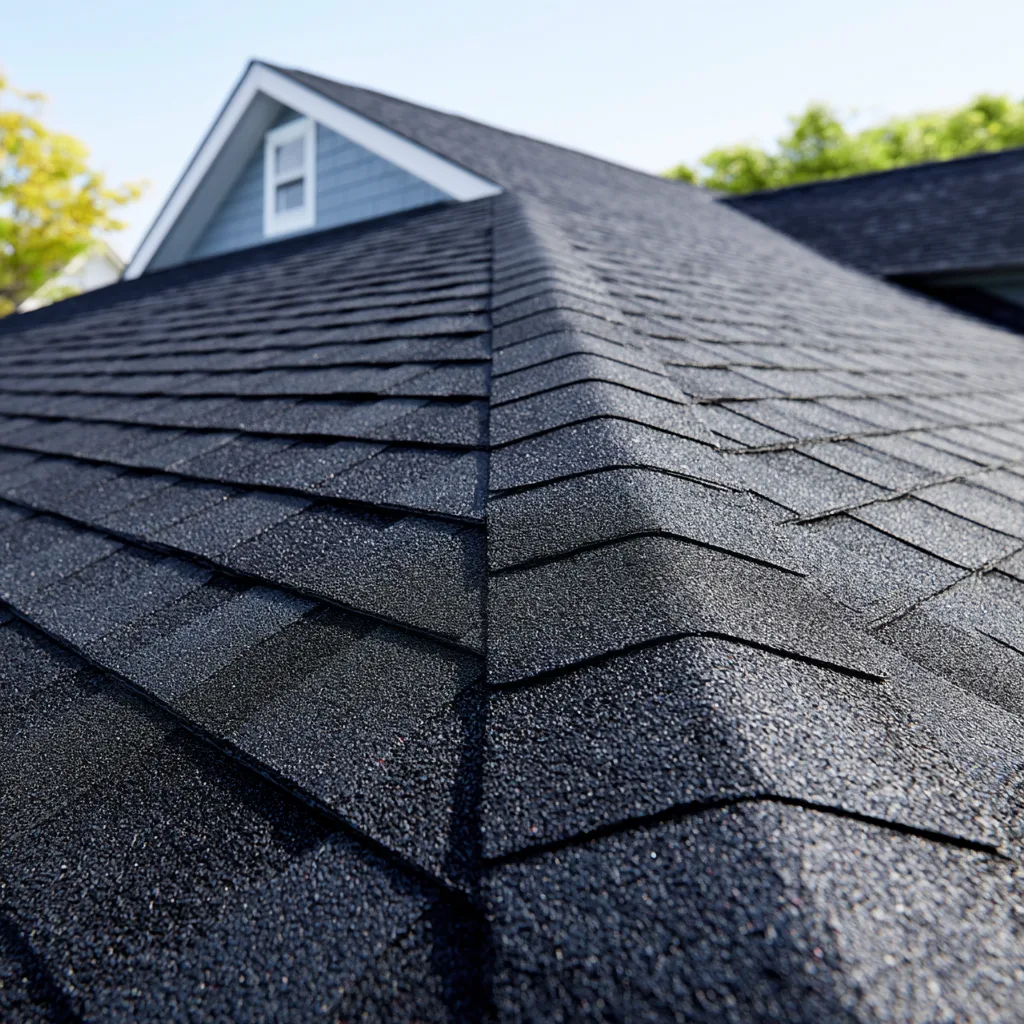
Step flashing works with the shingle courses along the side of a chimney. Counterflashing covers its upper edge at the masonry. Front and back details carry runoff onto the surrounding roof, and a cricket can divert water around a wider upslope obstruction where the design requires it.
When flashing pulls away, is incorrectly lapped, or has corroded through, water can reach the deck behind the covering. Surface caulk cannot recreate missing metal laps. A proper scope identifies the layers that need rebuilding and how they connect to the current roof.
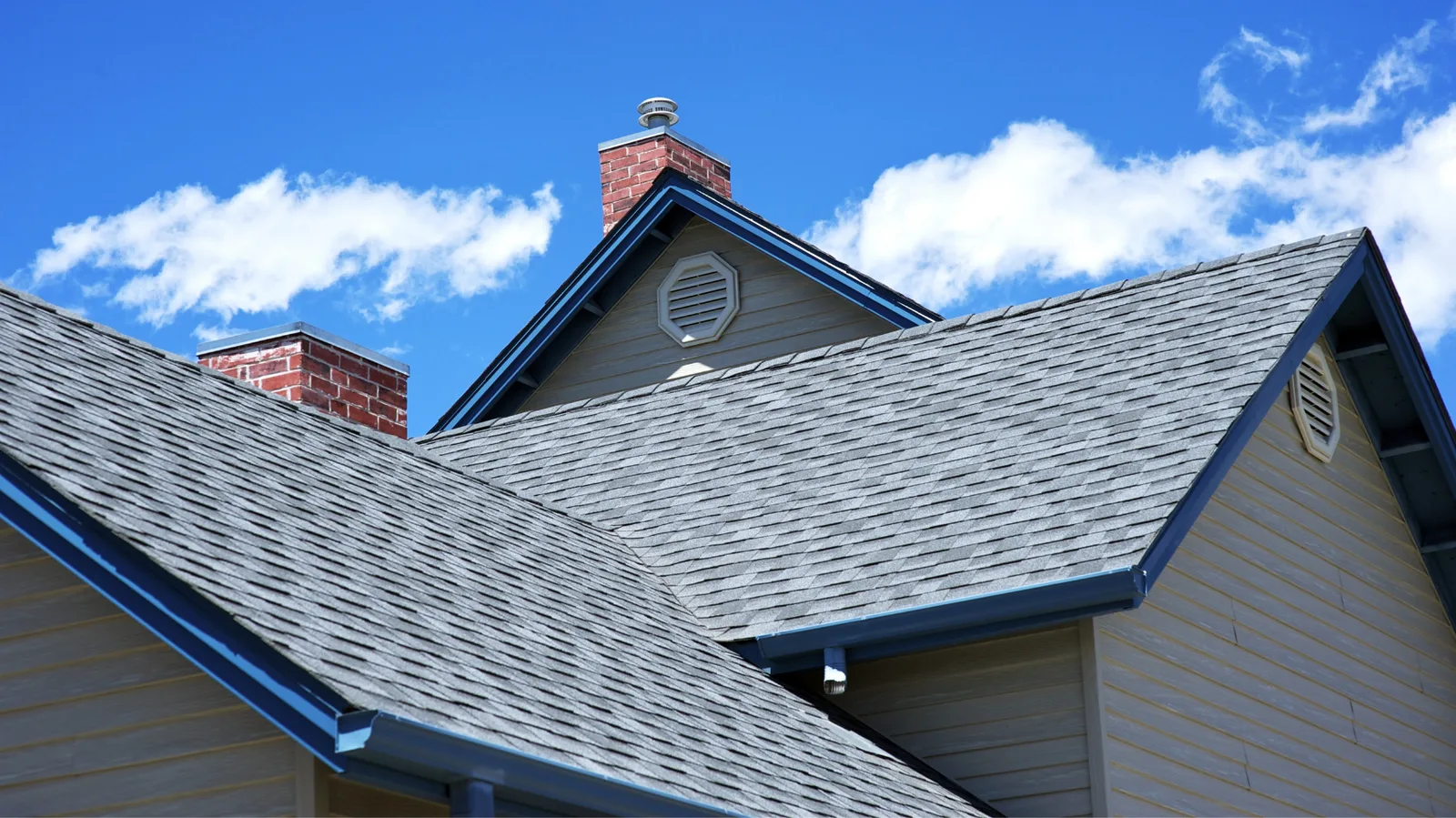
The flashing base, step pieces, counterflashing, and shingle tie-ins are checked as a water-shedding assembly. Surrounding brittle shingles can expand the work boundary.
Cracked masonry, a damaged crown, or a cap problem can also admit water. Masonry and chimney repairs may need a separate qualified trade rather than being hidden in a roofing patch.
Persistent water can damage the sheathing below. Sound support must be restored before the roof covering is rebuilt.
Tell us where the leak appears. Request a free roof inspection and start with the actual source.
Call (816) 521-6944