
Localized repair
Suitable where the defect can be isolated and tied into compatible sound material. Preparation, patch dimensions, fastening, and flashing details depend on the identified system.
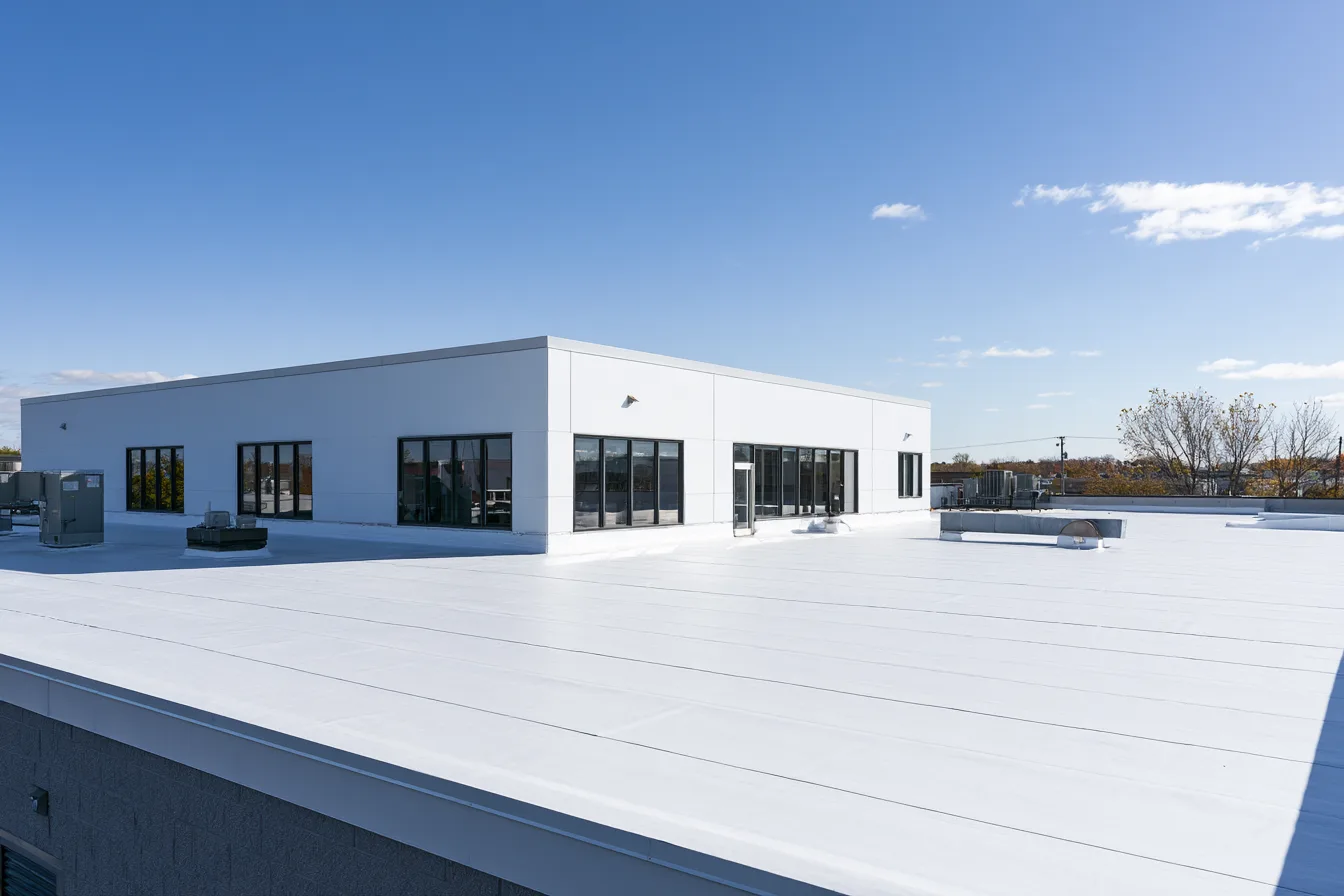
Membranes shed and resist water differently from a shingle covering. Open seams, damaged flashings, punctures, and drain details can admit water that spreads within insulation before it appears inside. The visible drip is only one part of the assessment.
An inspection identifies the roof system and its condition, then considers moisture below the surface, support at the deck, and how water reaches the drains or edges. A patch can stop an isolated opening while leaving saturated insulation elsewhere unresolved.
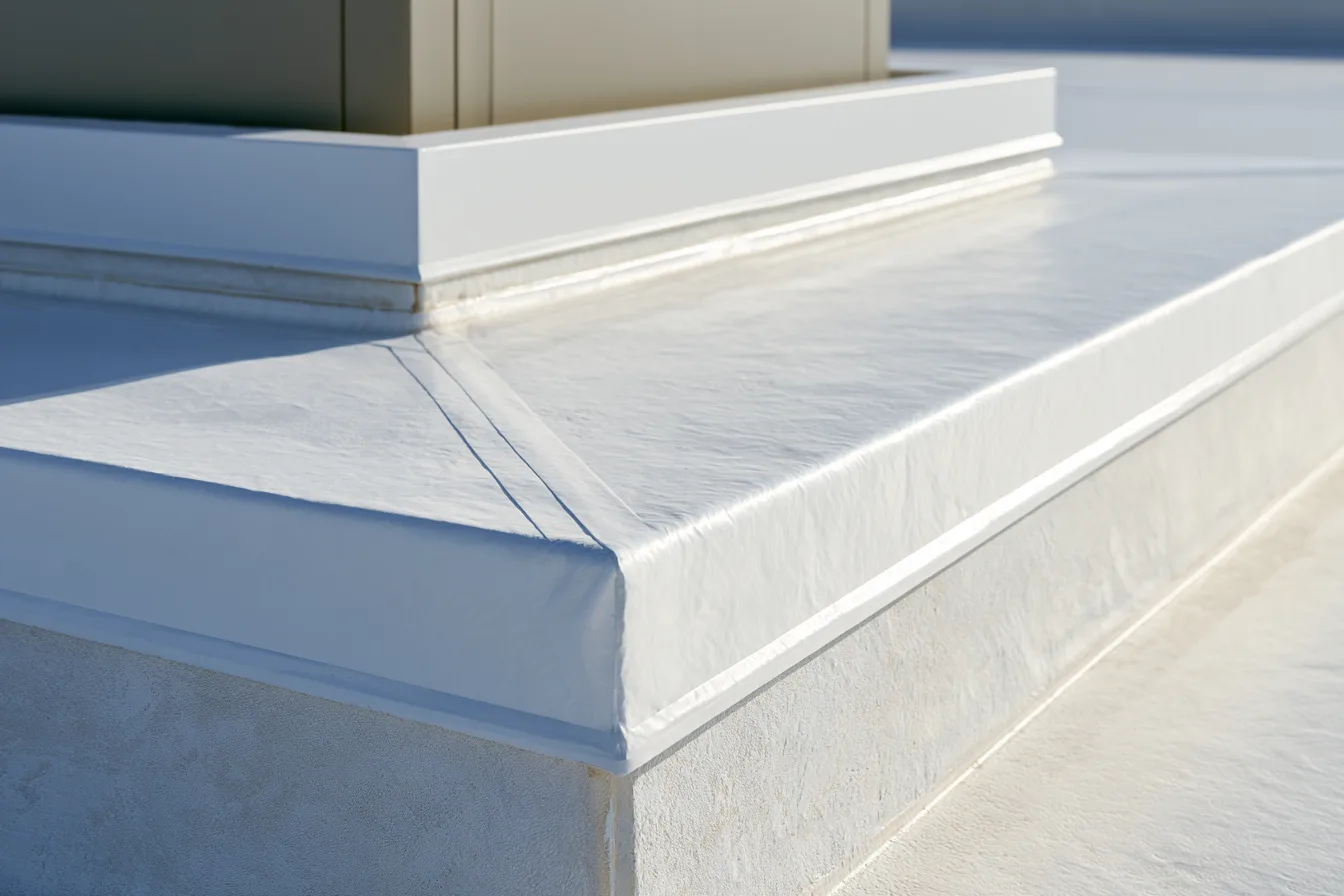
Suitable where the defect can be isolated and tied into compatible sound material. Preparation, patch dimensions, fastening, and flashing details depend on the identified system.
Wet insulation, weak decking, broad attachment issues, or widespread membrane deterioration can require removal. The new specification addresses insulation and drainage alongside the covering.
Standing water needs an explanation: blocked outlets, deck deflection, low areas, or inadequate slope have different remedies. A fresh surface alone does not change the shape beneath it.
Roof openings, debris handling, deliveries, and protection below need coordination with the building operator. Equipment curbs and mechanical penetrations may require other trades. The roofing scope should identify those interfaces before work begins.
For a specific membrane, read about TPO and single-ply roofing. If restoration is under consideration, the coatings guide explains the eligibility boundary.
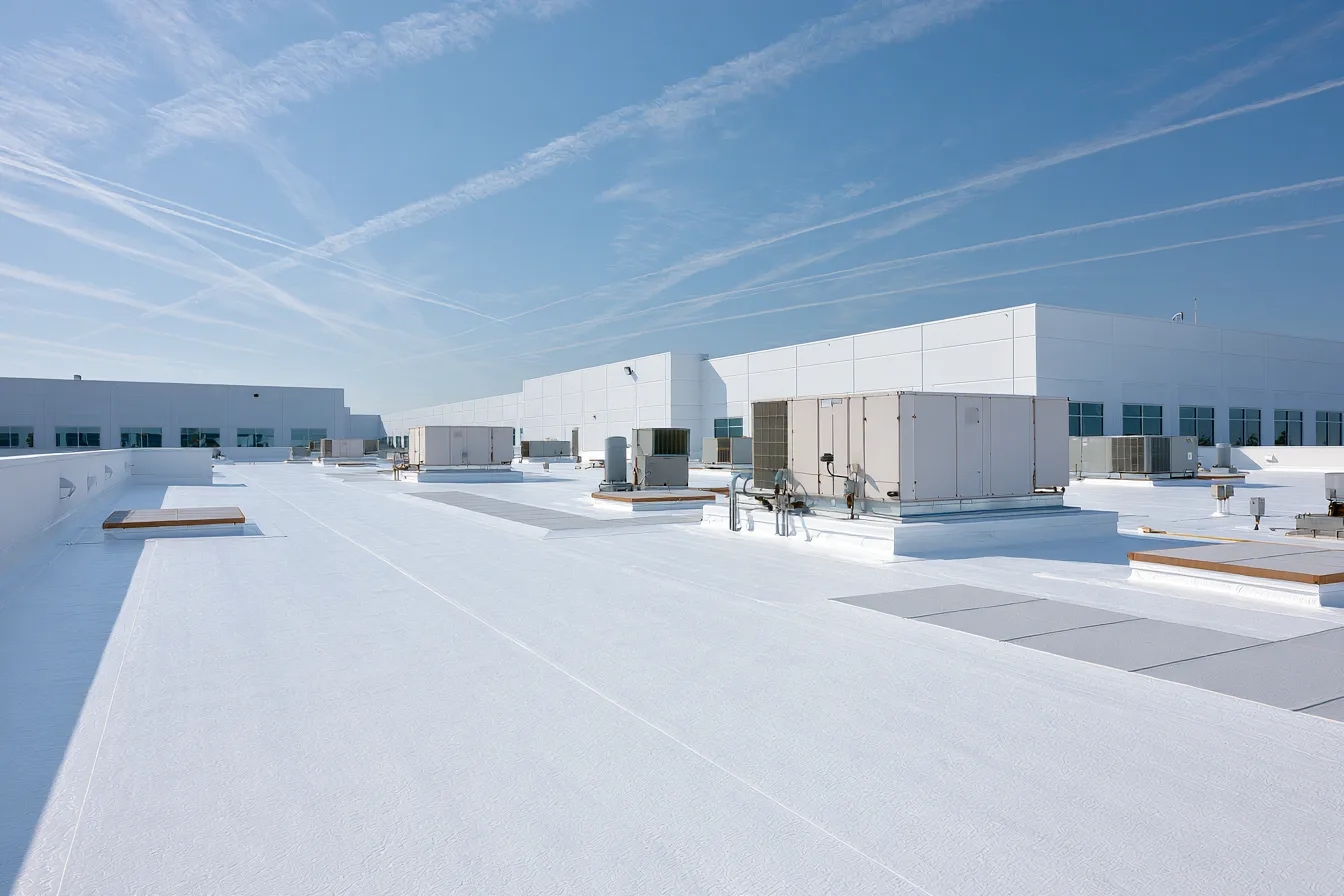
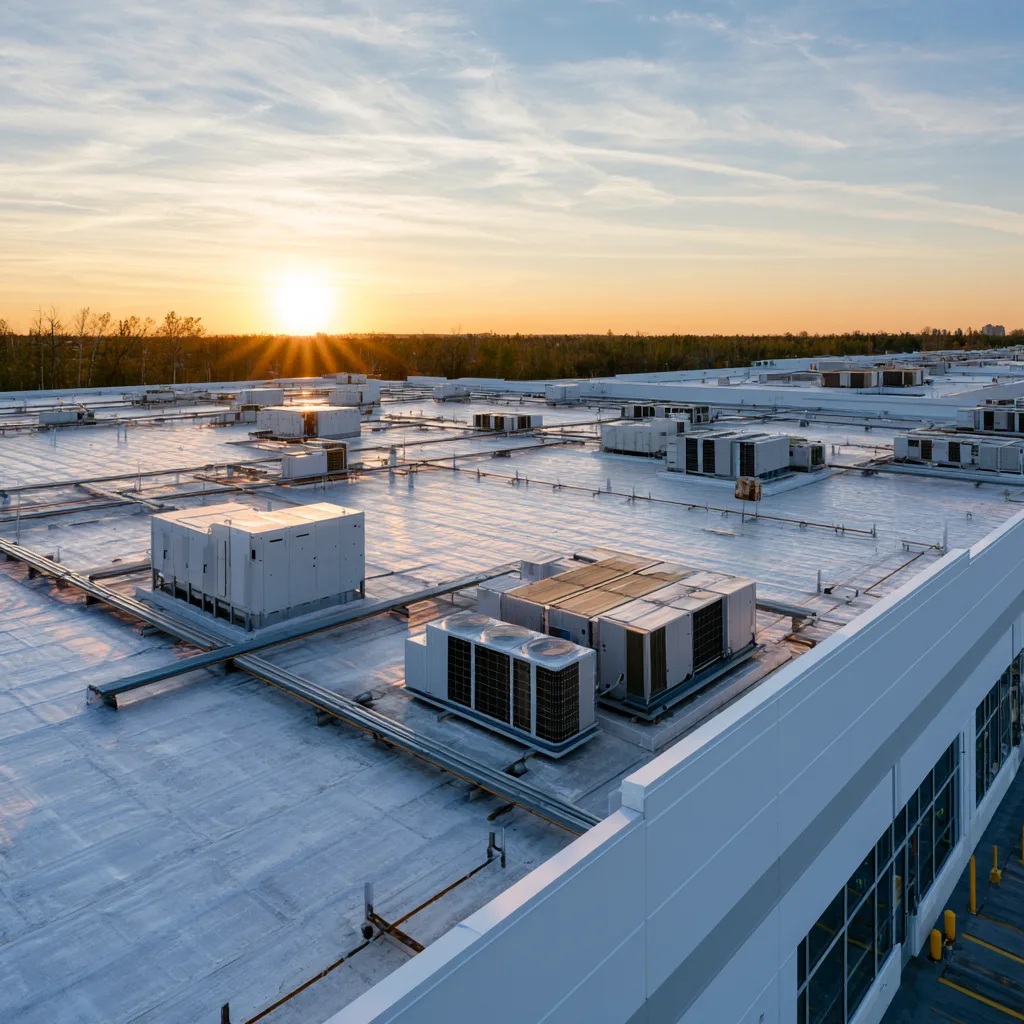
Tell us the building use, where the leak appears, and any roof history you already know. Request a free inspection.
Call (816) 521-6944