
A leak or a damaged detail
Repair starts by locating the opening and exposing enough sound surrounding material to make a durable connection. A pipe boot, chimney joint, and torn shingle are separate scopes, not the same patch with different names.
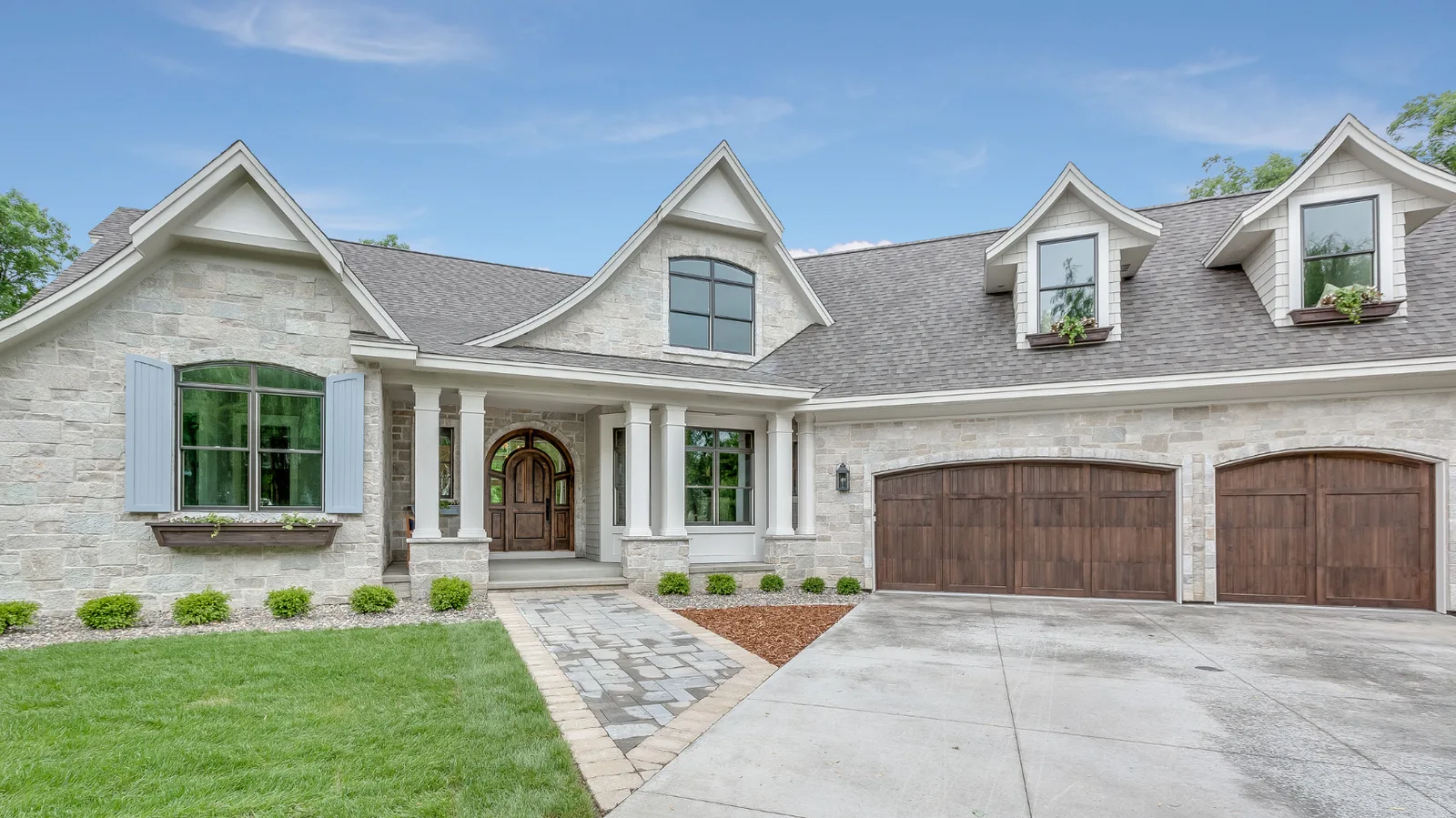
Repair starts by locating the opening and exposing enough sound surrounding material to make a durable connection. A pipe boot, chimney joint, and torn shingle are separate scopes, not the same patch with different names.
Replacement removes the covering, checks the deck, and renews underlayment, flashing, roof edges, and ventilation details. It becomes the sensible option when deterioration extends beyond an area that can tie into sound material.
An inspection is useful before a problem becomes a project. It establishes what is happening now and whether the roof needs work, continued care, or a wider decision.
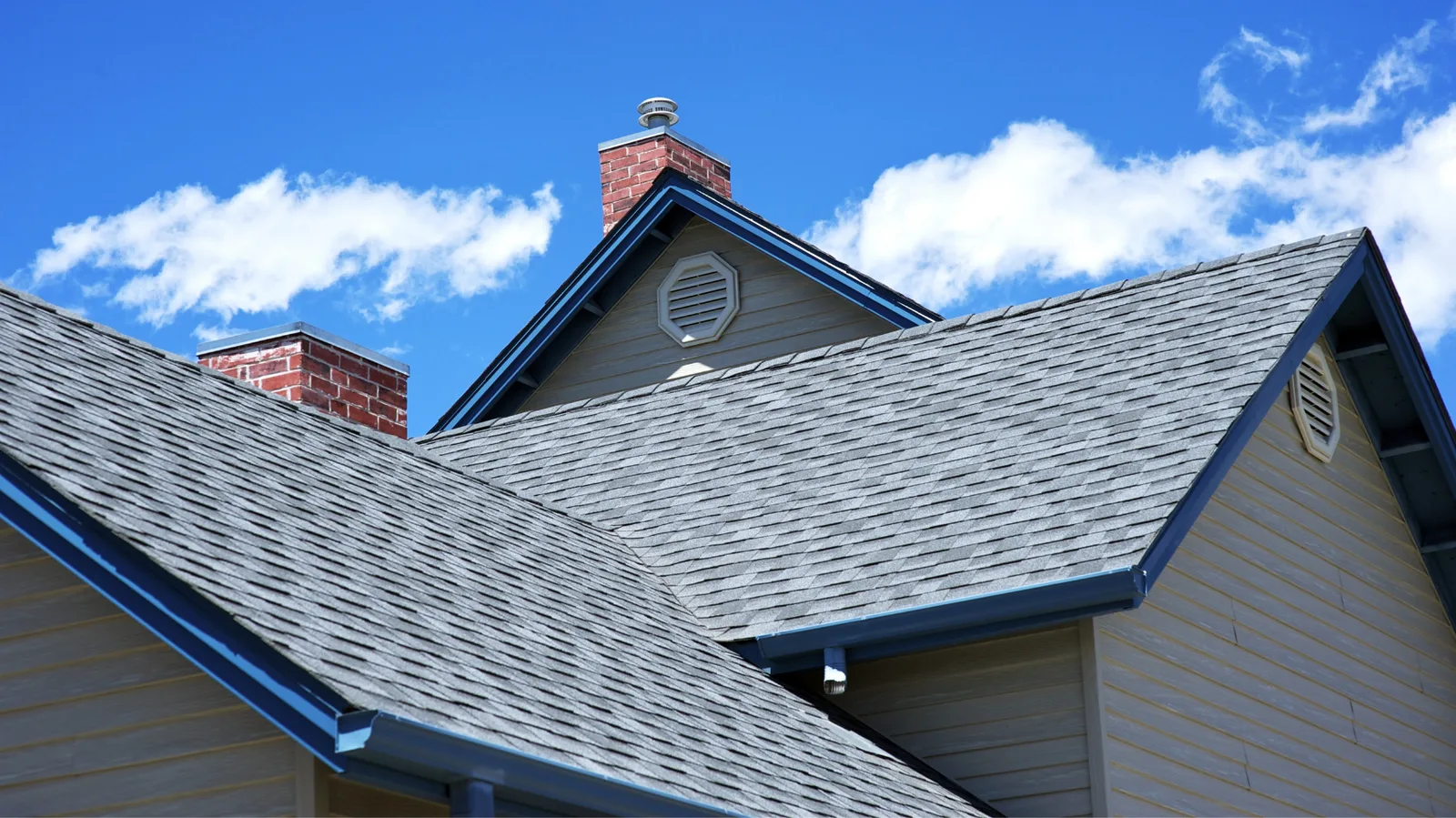
Understand tear-off, decking, flashing, ventilation, material selection, and allowances.
Roof replacement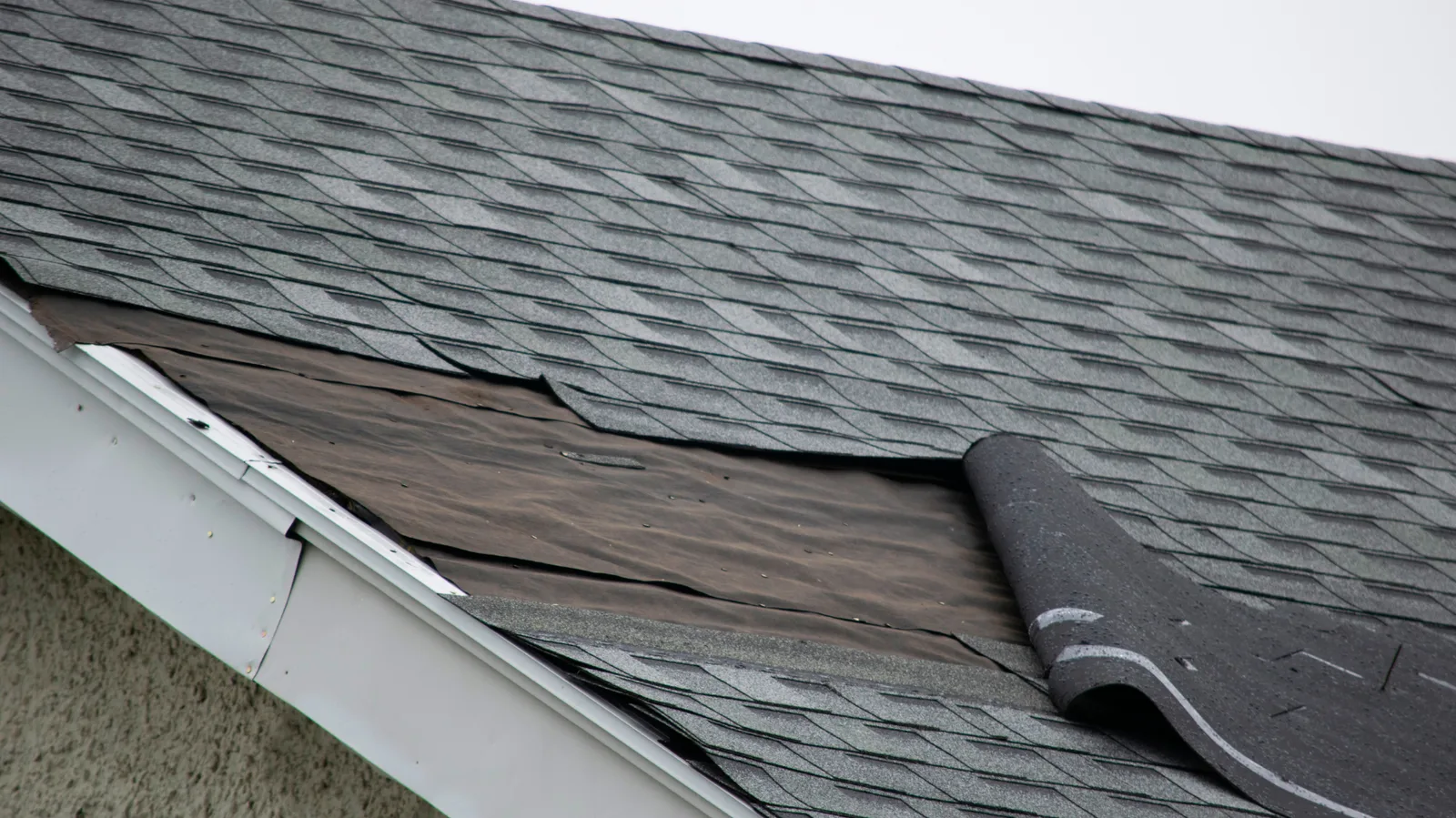
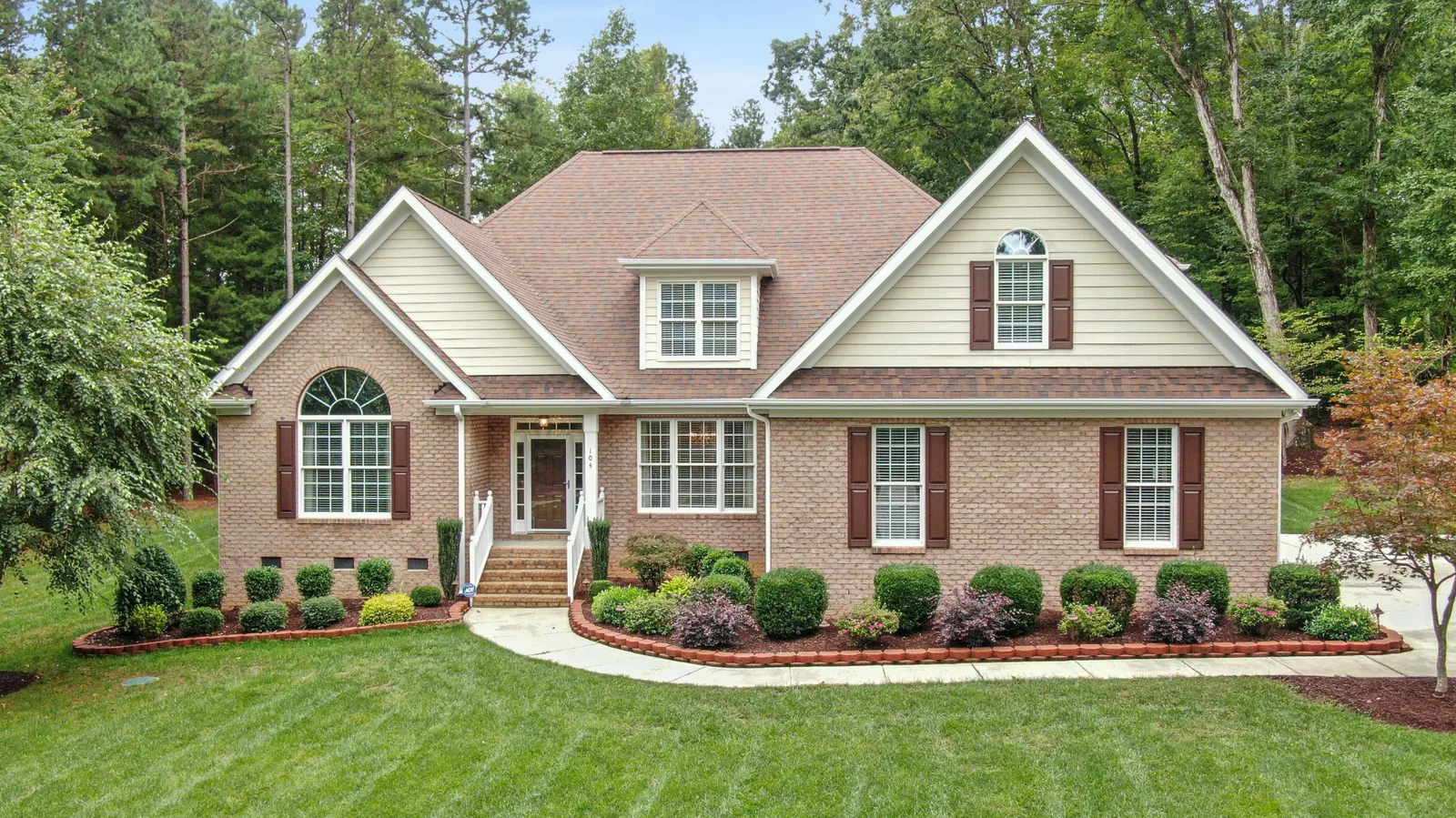
A free walked-roof inspection starts with the roof’s present condition.
Roof inspections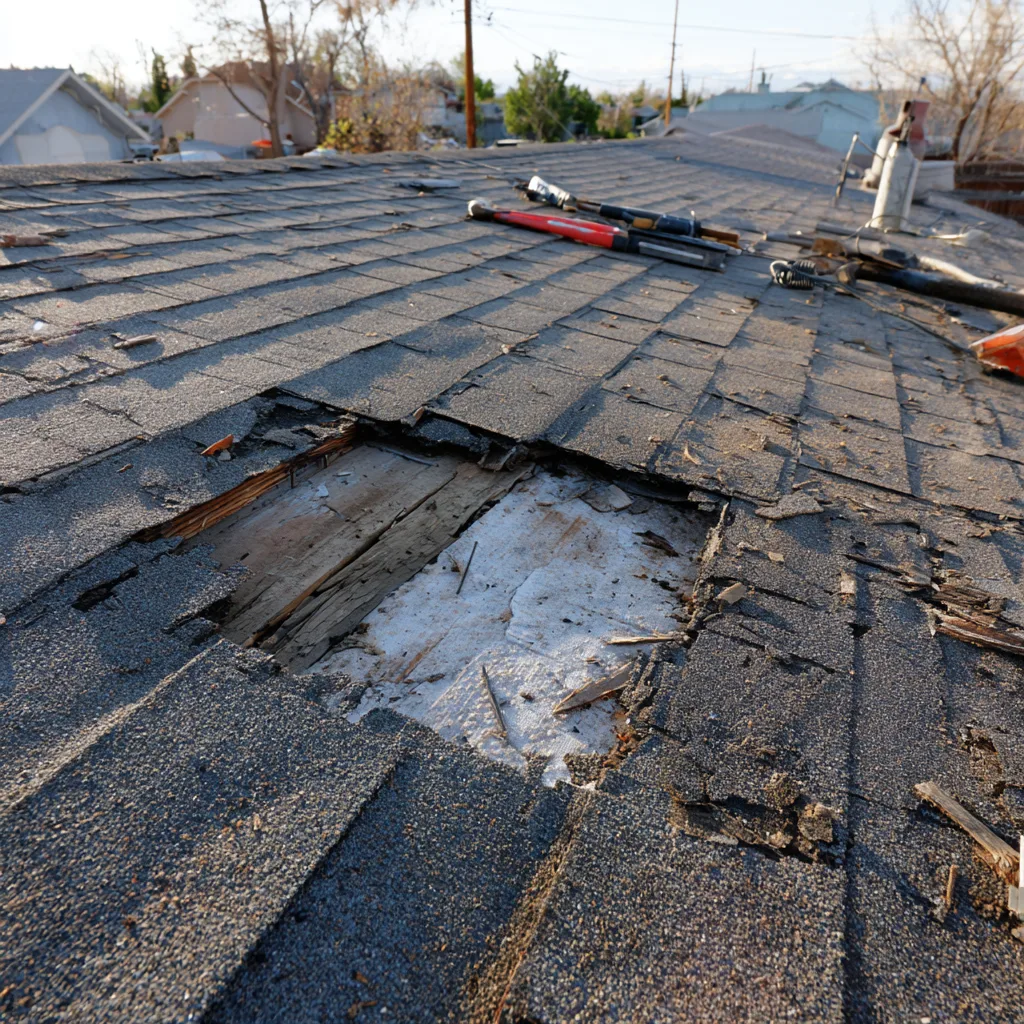
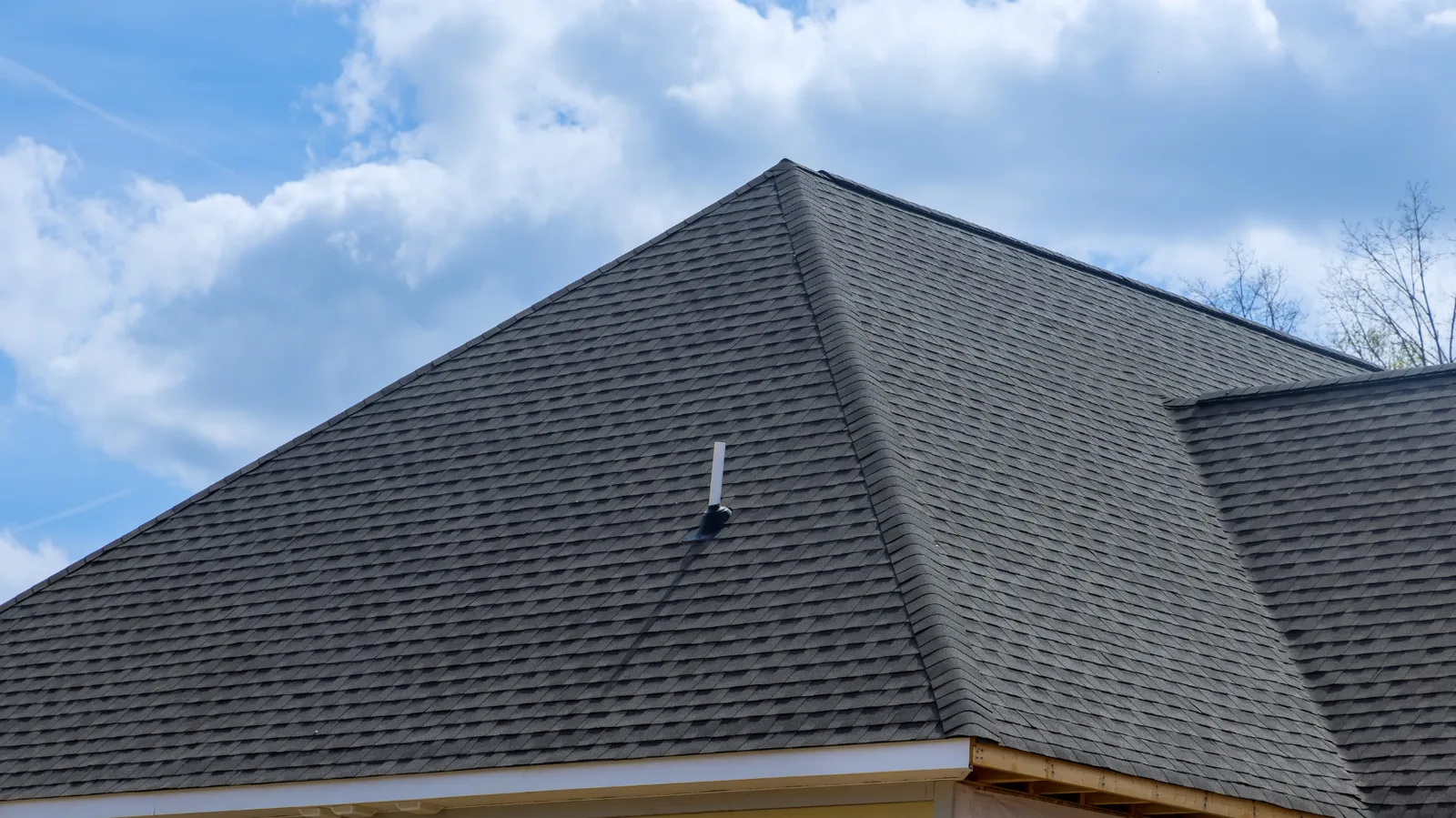
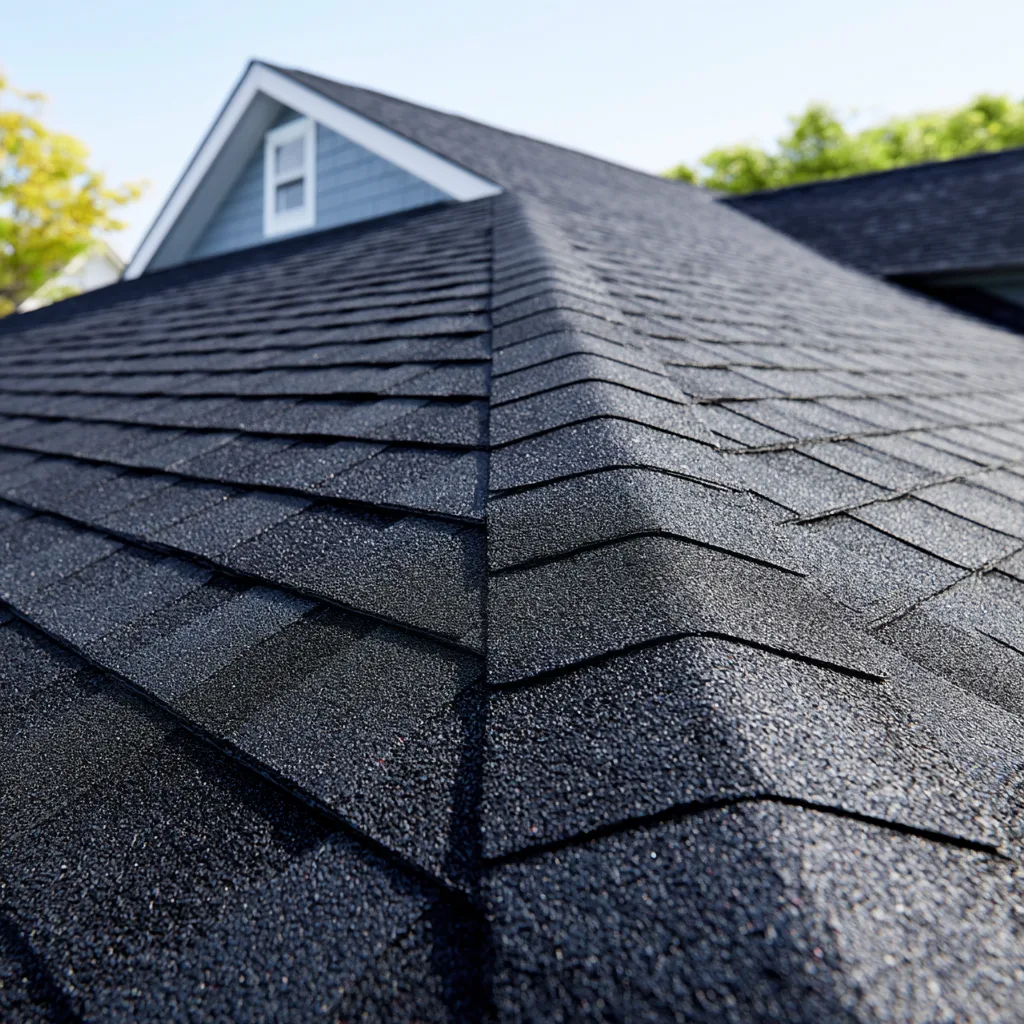
Restore the layered connection between masonry and the roof covering.
Chimney flashingA repair should explain what failed and how the surrounding assembly will be restored. Smearing sealant over a lifted flashing edge leaves the metal connection and water path unresolved. Replacing a split boot restores the pipe penetration, but nearby brittle shingles can limit how the new flashing ties in.
The same reasoning applies to roof ventilation, gutters, and edges. Roof work addresses the roofing assembly. A gutter outlet, a blocked intake, or deteriorated fascia can need coordinated work of its own. The inspection identifies where those scopes meet.
Our roof-scope decision aid explains what changes a small repair into a larger project.
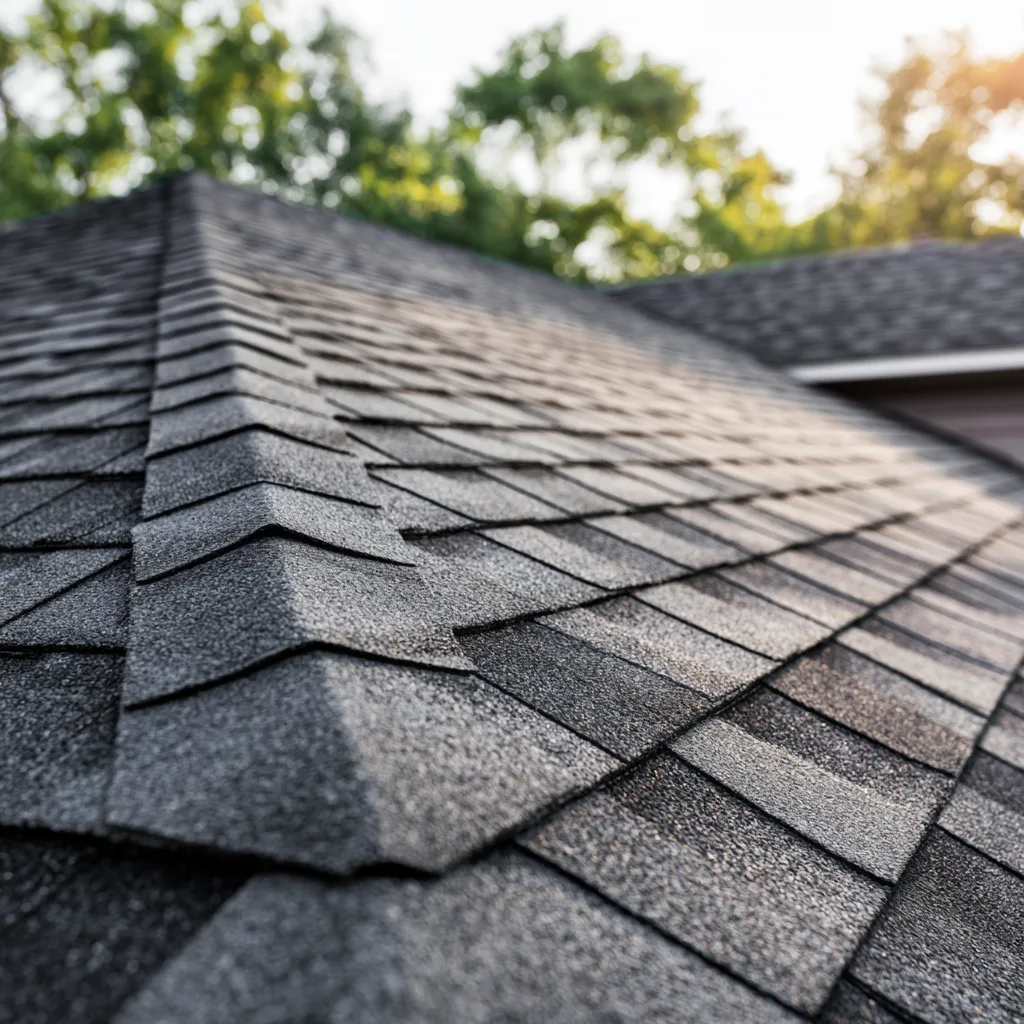
A business roof may use a membrane or metal system instead of shingles. Repair choices depend on the surface, attachment, insulation, drainage, and condition of the deck. Coatings need a sound substrate; replacing a membrane over wet insulation leaves the real problem in place.
The commercial roofing hub covers flat-roof repair, TPO and single-ply choices, and coating eligibility, with occupied-building needs included from the start.
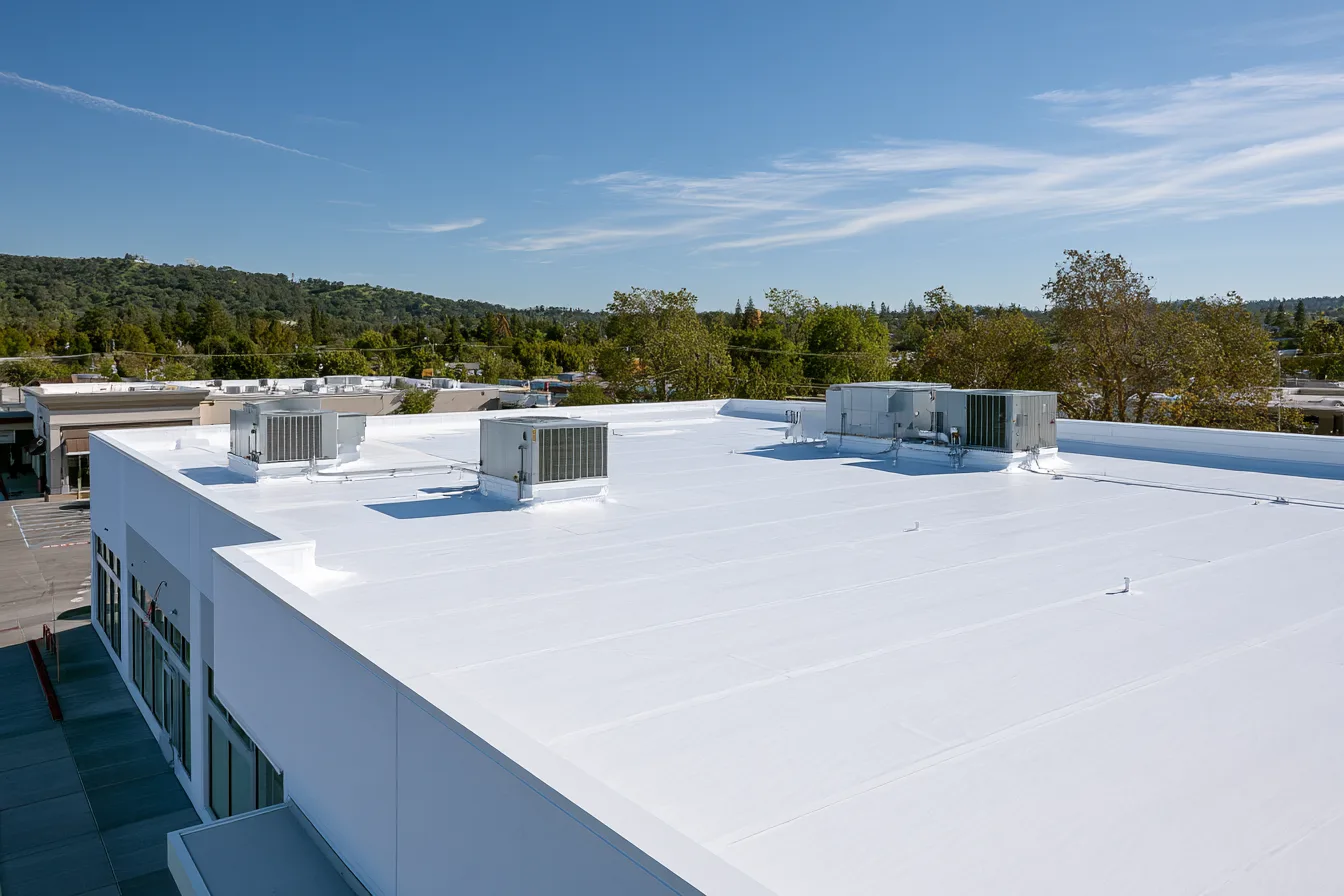
A roofer walks the roof when conditions allow, checks the covering and details, and connects the findings to the problem you reported.
The useful options explain what is being repaired or replaced, which material is appropriate, and what concealed damage would change the work.
Access, removal, delivery, protection around the property, and the sequence of work belong in the project scope. Contractor schedules and warranty terms are established with the contractor doing the work.
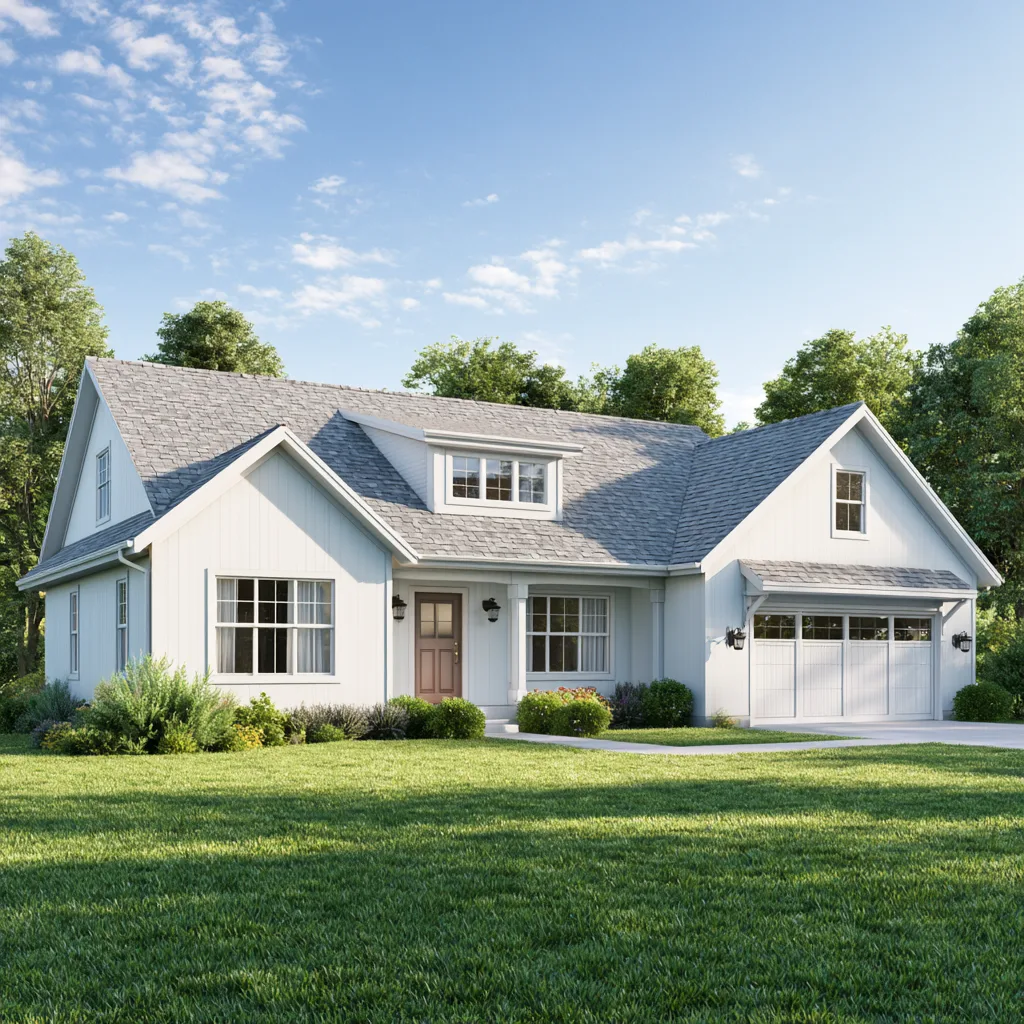
Tell us what you noticed and where the property is. Request a free roof inspection in Raytown.
Call (816) 521-6944